Building Stronger Communities | 29 August 2026
“Belonging is more than having people around us. It is feeling seen, accepted, supported and safe enough to be ourselves.”
Loneliness is not always visible, and homelessness does not always mean sleeping on the street.
In this episode of Building Stronger Communities, Michelle Hillier, Piper Johnson and Bethanie Jones explored the many different ways people search for connection, safety and somewhere to belong.
The program also celebrated Foster Care Week, acknowledged Wear It Purple Day and asked an important question: how can the conversations we have with today’s young people help prevent vulnerability later in life?
🎙️ Linda Stenning: The Lived Experience of Loneliness
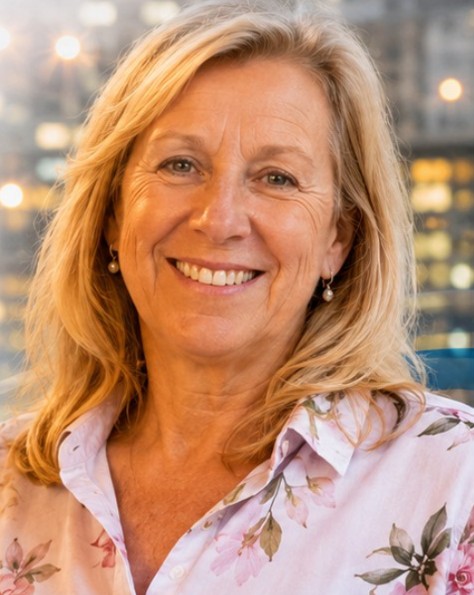
Linda Stenning returned to share her personal experience of loneliness and the importance of genuine human connection.
Linda speaks openly with people in the community—not as a professional adviser, but as someone whose lived experience may help others feel understood, supported and less alone.
Her story reminded us that loneliness is not simply about being physically alone. A person can be surrounded by family, friends or colleagues and still feel unseen, disconnected or unable to express what they are experiencing.
Sometimes support begins with something very simple: listening without judgement and reminding another person that they matter.
🎧 Listen: Linda Stenning shares her lived experience
Linda’s story reflects her personal experience and should not be considered professional or clinical advice.
💙 Celebrating Foster Carers
During Foster Care Week, Christina from MacKillop Family Services joined Michelle to recognise the people who open their homes and hearts to children and young people needing safety, stability and connection.
Foster carers provide much more than accommodation. They can help a child develop trust, strengthen their identity and experience the security of knowing someone is there for them.
MacKillop Family Services is inviting the community to recognise these carers through its Wall of Thanks—a place to leave a message acknowledging the difference foster and kinship carers make.
Visit MacKillop Family Services to learn more.
🎧 Listen: Christina from MacKillop Family Services
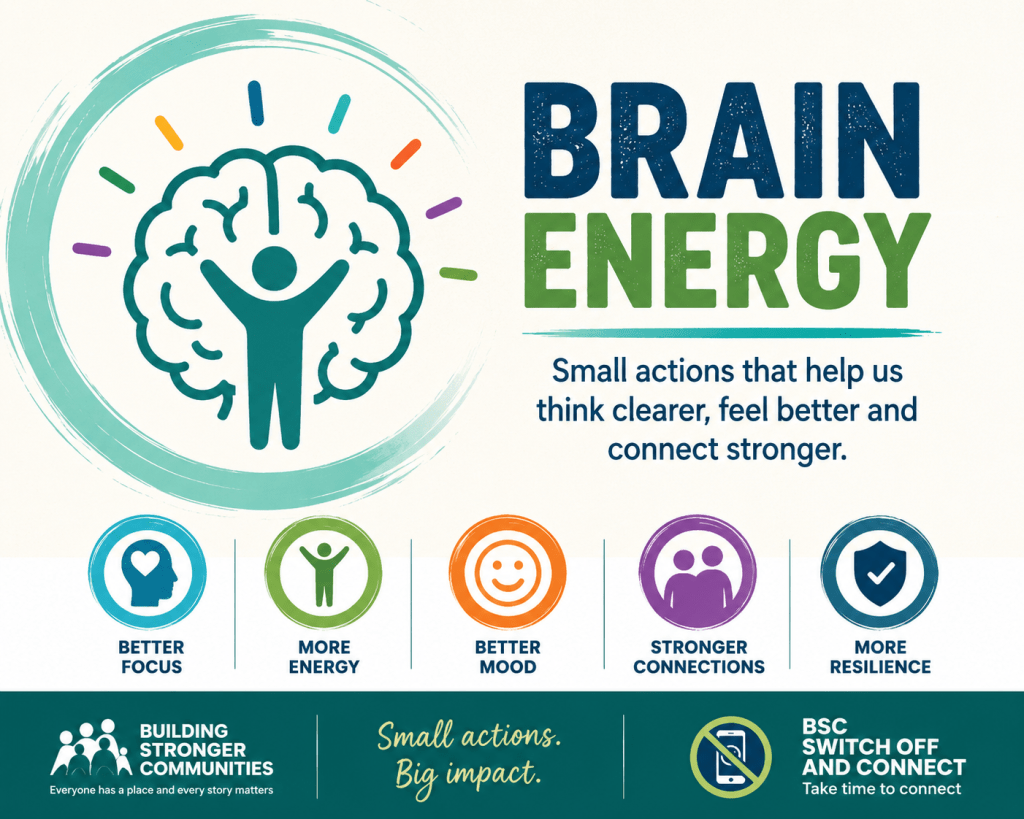
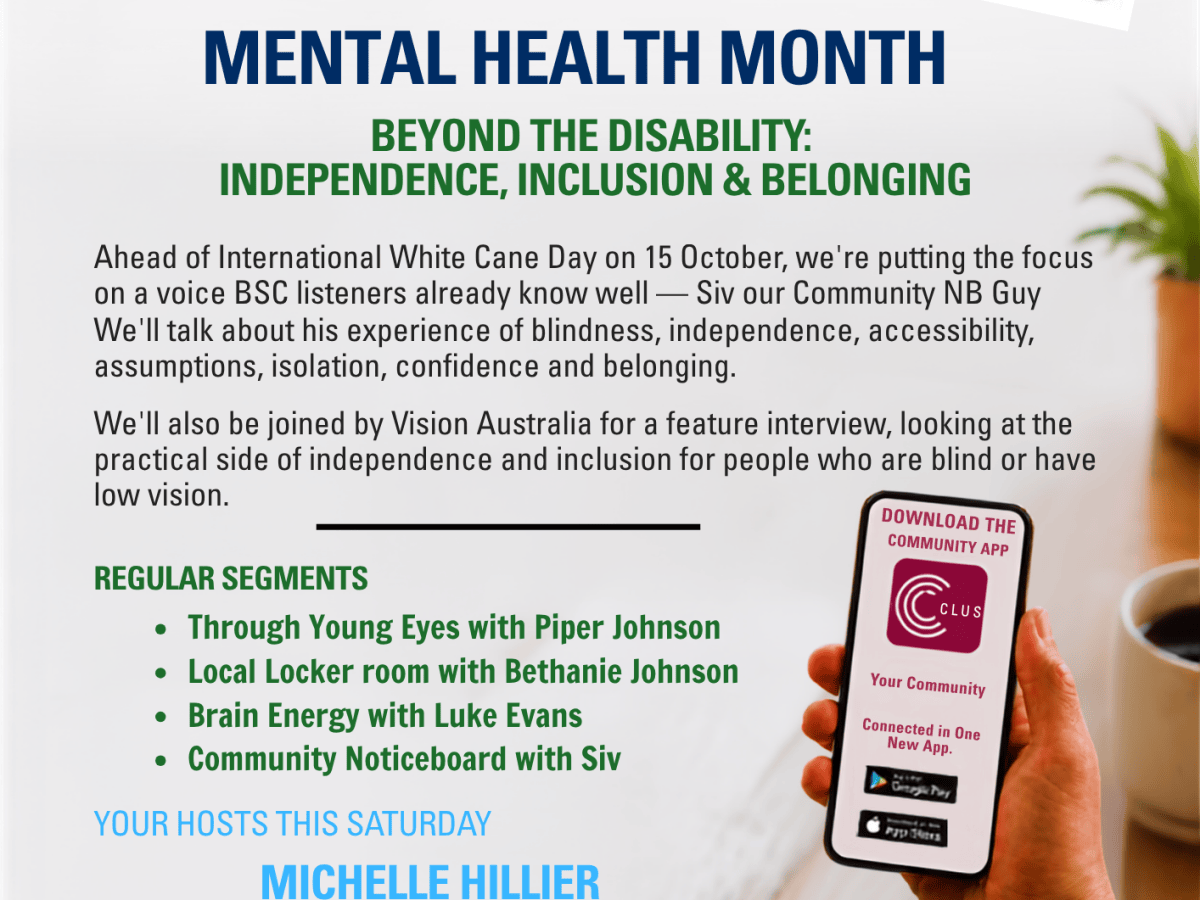
🧠 Brain Energy with Luke Evans
Luke Evans joined us for another Brain Energy segment, sharing practical wisdom about connection, wellbeing and the importance of strengthening the way we respond to life’s challenges.
🎧 Listen: Brain Energy with Luke Evans
🏠 The Hidden Homelessness Affecting Older Women
When we picture homelessness, many of us imagine someone sleeping in a doorway or on a park bench.
However, homelessness can also mean living in a car, staying temporarily with friends or adult children, moving between short-term accommodation or remaining in an unsafe relationship because there is nowhere else to go.
Women over 50 are particularly vulnerable to this hidden form of homelessness.
A lifetime of unpaid caring, lower earnings, limited superannuation, relationship breakdown, family violence, illness and rising housing costs can leave an older woman with few options when her circumstances suddenly change.
These women may have spent decades working, raising children and supporting others. Homelessness is not a personal failure—it is often the result of several pressures building over time without sufficient affordable housing, financial security or early support.
Behind every statistic is a person who deserves safety, dignity and somewhere to belong.
🎙️ Welcome to the Second Hour—BSC Youth Hour
Piper Johnson and Bethanie Jones joined Michelle in the studio to explore loneliness, respect, inclusion and belonging through younger eyes. Together, they discussed what helps young people feel genuinely heard, the courage to challenge disrespectful behaviour and how today’s conversations can help create a safer future for the next generation.
Young people can communicate with hundreds of people through group chats, social media, school and sport—but being constantly connected does not always mean feeling emotionally supported.
Their reflections reminded us not to judge someone’s wellbeing by how socially active they appear.
💜 Acknowledging Wear It Purple Day
Wear It Purple Day supports LGBTQIA+ young people and promotes communities where every young person can feel safe, accepted and proud of who they are.
Wearing purple is a visible sign of support, but inclusion must continue after the colour comes off.
It is reflected in the language we use, how we respond to discrimination and whether young people know there is a safe person they can approach.
To every young person: you are seen, you are valued and you belong.
🎧 Listen: Through Young Eyes with Piper Johnson
Piper invited Imamah Matloob to the studios to chat about her role as a Youth changemaker maker and a representative for her electorate in the NSW Youth Parliament.
🏉 Local Locker Room with Bethanie
Sport can provide friendship, purpose and a powerful sense of team identity—but only when everyone is treated with dignity and feels safe to participate.
In Local Locker Room, Bethanie explored how sport can build connection and belonging, as well as the effect exclusion can have on a young person.
🎧 Listen: Local Locker Room with Bethanie Jones
📍 Community Noticeboard with Siv
Connection often begins by becoming involved in something close to home.
The BSC Great Book Swap to raise funds for the Indigenous Literacy Foundation.
🎧 Listen: Community Noticeboard with Siv
📵 Switch Off and Connect
This week Switch off and connect challenges with Bethanie, Piper and youth guest Imamah.
Support Is Available
If this episode raises concerns for you:
- Lifeline: 13 11 14
- Kids Helpline: 1800 55 1800
- QLife: 1800 184 527
- Link2home NSW: 1800 152 152
- Emergency: 000
Building Stronger Communities—where everyone has a place and every story matters.
💛 Next Week on BSC: R U OK? Day
Next week on Building Stronger Communities, we recognise R U OK? Day and explore the difference between leaving a comment and having a genuine conversation. We’ll discuss how to notice when someone may be struggling, ask “Are you OK?” with care and stay present long enough to truly listen.



Leave a Reply