🚨 Building Stronger Communities | Saturday 19 September 2026
A text about an unpaid toll. A parcel delivery message. A phone call that appears to come from your bank. Tickets to a sold-out concert. Or a message from someone you love saying they urgently need money.
Would you spot the scam?
In this episode of Building Stronger Communities, host Michelle Hillier explored how scams are becoming increasingly convincing — and why protecting ourselves isn’t simply about being clever enough to recognise every scam.
Scammers can use urgency, fear, trust, opportunity and emotion to encourage us to act before we have time to stop and think.
The message throughout the program was simple:
🛑 STOP. 🔎 CHECK. 🛡️ PROTECT.
Drawing on information from Scamwatch, Michelle explored three practical steps we can all use.
STOP — Don’t give money or personal information to someone if you’re unsure.
CHECK — Ask yourself whether the call, message or request could be fake. Independently contact the person or organisation using contact details you already trust.
PROTECT — If something has gone wrong, act quickly. Contact your financial institution where appropriate, secure affected accounts and report the scam.
Perhaps one of the most important messages from the program was that anyone can be caught by a scam.
If someone tells us they’ve been scammed, instead of asking:
“How did you fall for that?”
we can start with:
“Thanks for telling me. What do we need to do now?”
👉 Visit Scamwatch.gov.au for information about recognising, avoiding and reporting scams.
🎧 Scam Awareness – Would You Spot the Scam?
Michelle looks at some of the techniques scammers can use and why learning to pause and independently check a request can be more useful than trying to memorise every scam currently circulating.
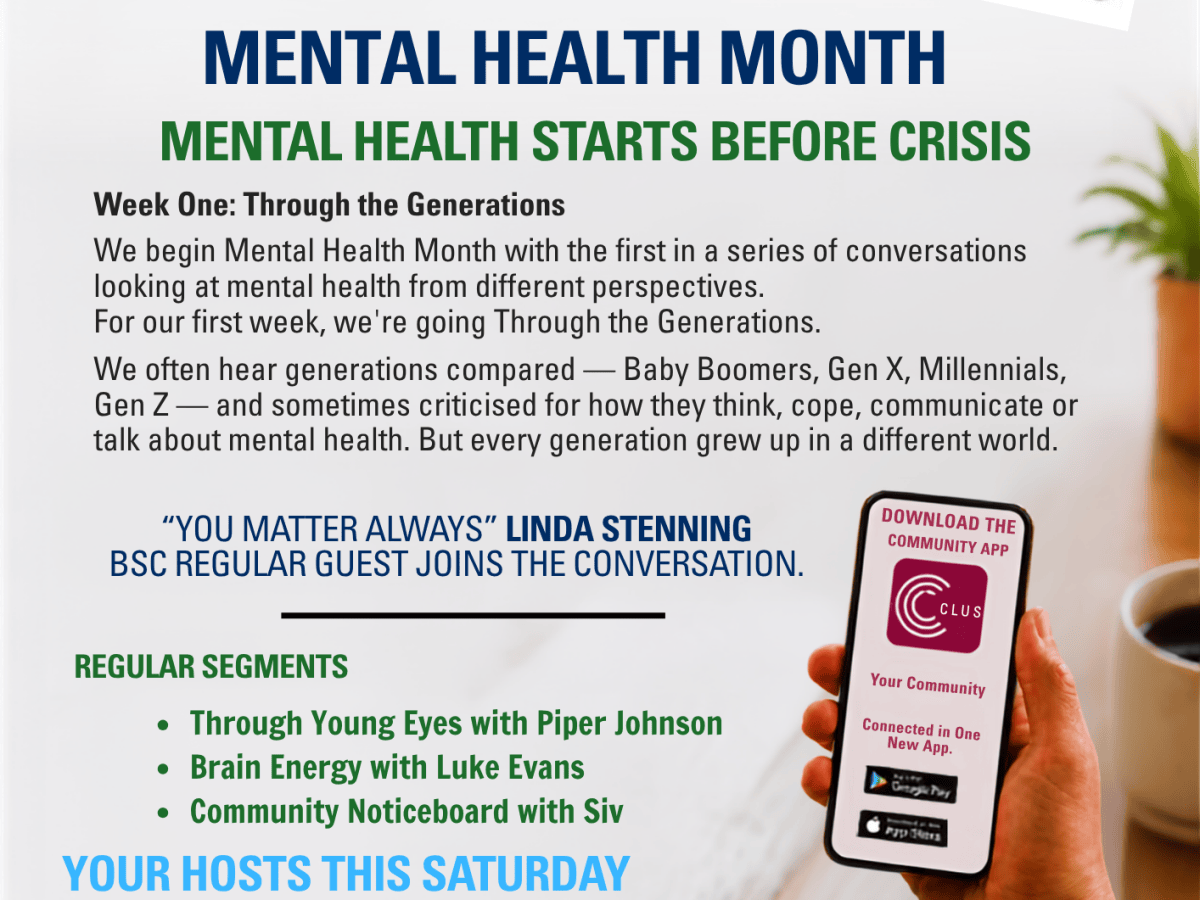
🇦🇺 Through Young Eyes – Australian Citizenship Day
This week’s Through Young Eyes took us in a different direction.
To recognise Australian Citizenship Day, Piper Johnson reflected on citizenship from a young person’s perspective and what belonging, participation and contributing to our community can mean.
Citizenship is more than something written on a certificate or passport. It can also be reflected in the way we participate in our communities, support others and contribute to the places we call home.
👩💻 Would a 16-Year-Old Spot the Scam?
In Hour Two, Bethanie joined Michelle in the studio for an intergenerational scam challenge.
At 16, Bethanie has grown up with smartphones, social media, online shopping and apps. Michelle brought a few more years of life experience to the challenge!
So who has better scam sense?
Rather than declaring a winner, the conversation revealed something much more useful:
Different generations may notice different warning signs.
Michelle and Bethanie worked through situations involving:
🎟️ Sold-out concert tickets
📱 Messages from a friend’s social media account
🛍️ Online bargains that look almost too good to be true
🏦 Calls supposedly coming from your bank
🗣️ An urgent call that sounds like someone you know
And there was an important third answer available beyond simply SCAM or SAFE:
🤔 “I don’t know — I’d check.”
We don’t need to prove something is a scam before deciding not to act.
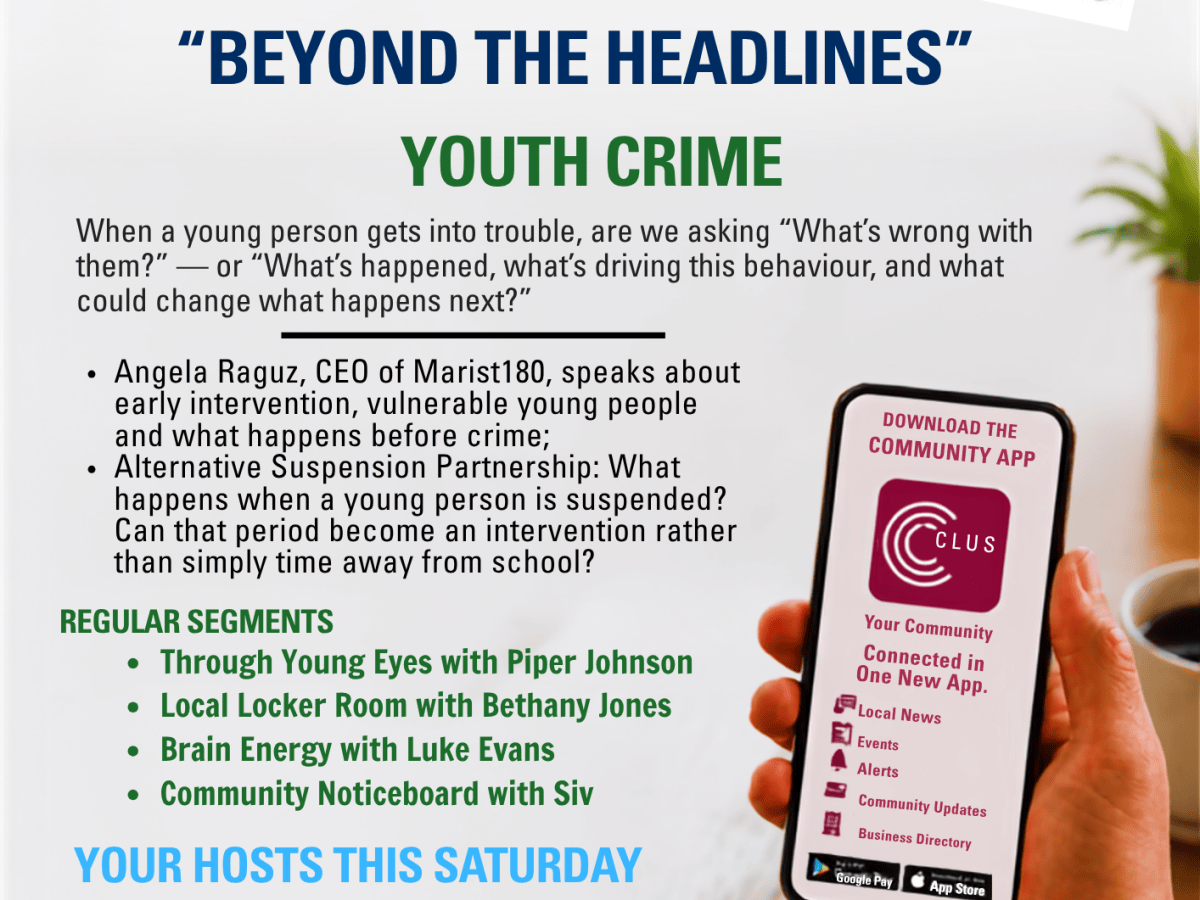
🏉 Local Locker Room with Bethanie
Bethanie also returned with her regular Local Locker Room, keeping us connected with what’s happening in sport and reminding us that community sport is about far more than the scoreboard.
Behind our local clubs are players, coaches, families, volunteers, supporters and communities.
🎧 Listen to Local Locker Room
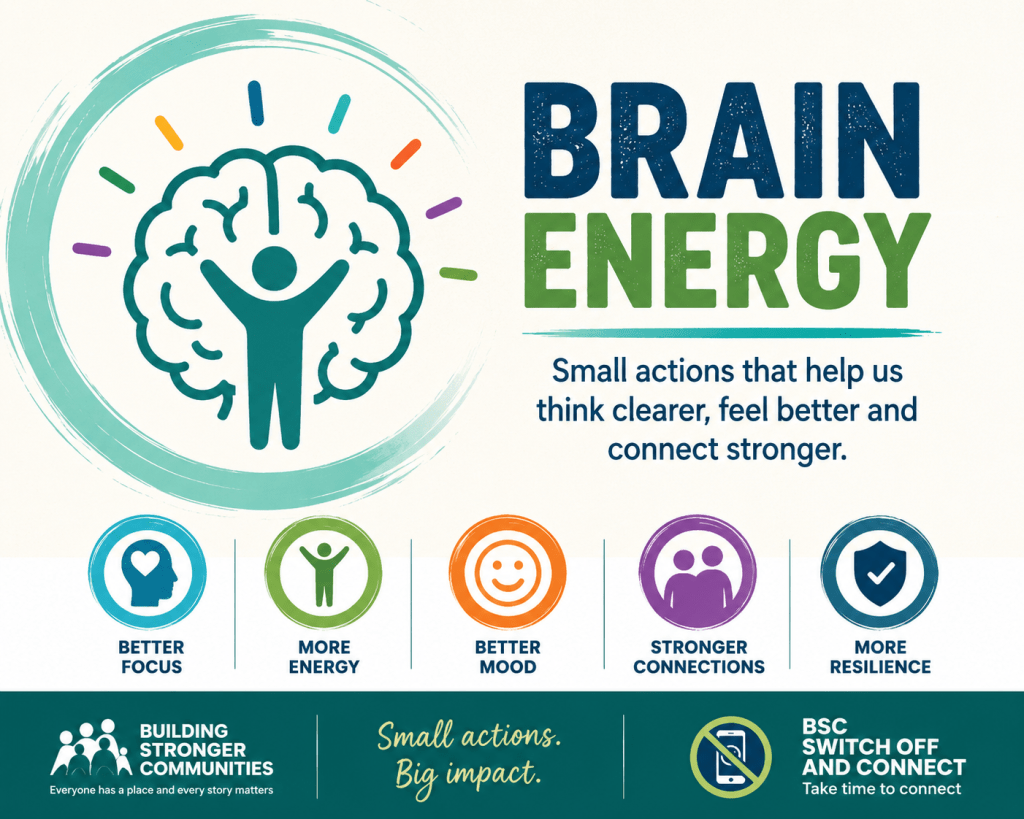
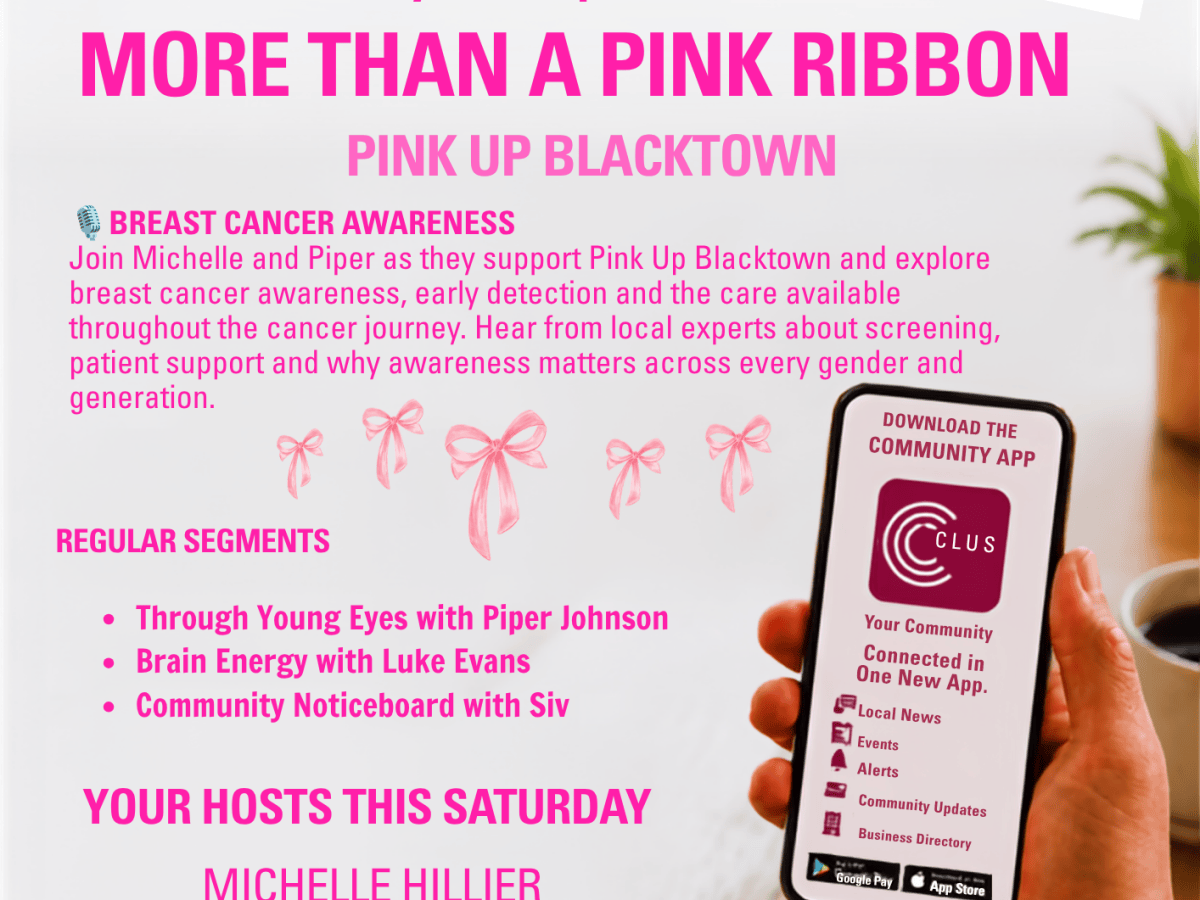
🧠 Brain Energy with Luke Evans
Luke Evans returned with another Brain Energy segment, sharing practical insights into resilience, wellbeing and how we respond to the challenges around us.
🎧 Listen to Brain Energy
📢 Community Announcements with Siv
Keeping connected also means knowing what’s happening right here in our own backyard.
Siv joined us with this week’s Community Announcements, sharing local events, activities and opportunities happening across Western Sydney.
From community gatherings and family activities to local initiatives, the segment is about helping listeners discover more ways to get involved, meet people and stay connected with their community.
❤️ No Shame – Speak Up
One conversation crossed the generations.
What happens when you realise you’ve been scammed?
A teenager may worry:
“My parents are going to kill me.”
An older adult may worry:
“My kids are going to think I’m an idiot.”
Different generations — but sometimes the same embarrassment.
That embarrassment can stop people seeking help when acting quickly may be important.
Our message was:
Support first. Judgement never. Act quickly.
📵 Switch Off & Connect – The Scam Sense Challenge
This week’s Switch Off & Connect challenge is one the whole family can try.
Sit down with someone from a different generation and show each other a suspicious text, email or social media message you’ve received.
Ask:
What makes this look believable?
What makes us suspicious?
Then talk about what your family would do if someone unexpectedly called or messaged claiming a loved one was in trouble and urgently needed money.
Consider agreeing on a way to independently verify an emergency request before transferring money.
Because sometimes our greatest protection isn’t another piece of technology.
💚 It’s another person.
🔗 Learn More
For current information about scams, warning signs, what to do if you’ve been affected and how to report a scam, visit Scamwatch.gov.au.
And remember:
🛑 STOP. 🔎 CHECK. 🛡️ PROTECT.
Building Stronger Communities
🎙️ Hosted by Michelle Hillier
📻 Saturdays 8–10am | SWR 99.9 FM
💚 Where everyone has a place and every story matters.



Leave a comment